
Milestone Studios, nestled in the heart of Cape Town, stands as a beacon of excellence in the recording industry. Renowned for its advanced technology and expert craftsmanship, this studio has become a pivotal location for artists and producers alike, seeking unparalleled quality in music production. The studio’s significance extends beyond just music recording; it is particularly revered for its expertise in dialogue recording – a vital and intricate aspect of audio production, especially in film and television. Dialogue recording at Milestone Studios is not just about capturing sound; it’s about creating an auditory experience that brings stories to life. This introduction sets the stage for an in-depth exploration of the art and technical precision that underpin dialogue recording at Milestone Studios, highlighting its pivotal role in shaping the sonic landscape of modern media.
Dialogue recording, an essential facet of audio production in the film and television industry, is the art of capturing spoken lines, conversations, and dialogues. It encompasses the entire spectrum of processes, from the initial recording on set to the final integration into the finished production.
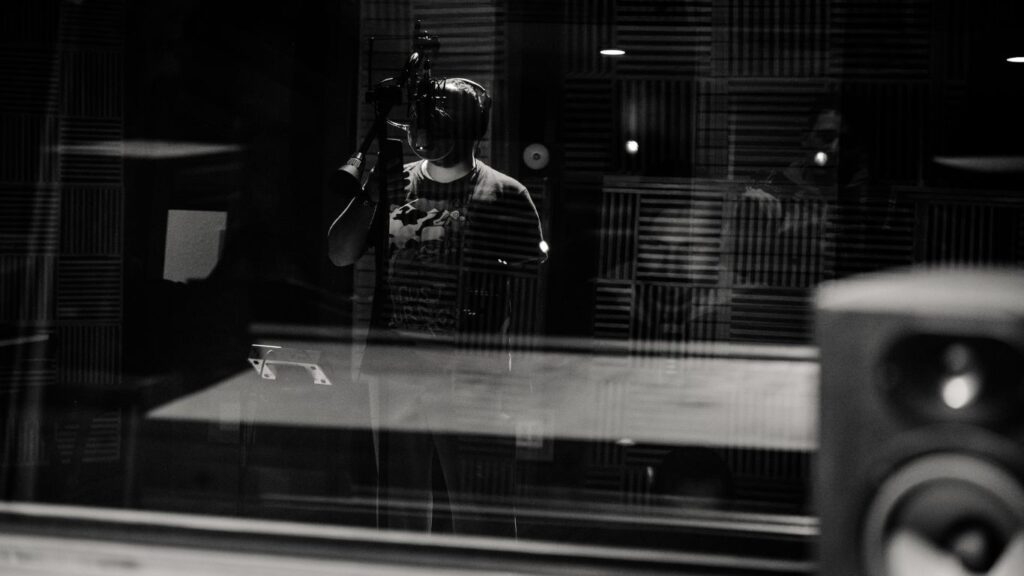
The significance of dialogue recording in storytelling is multifaceted. Firstly, it enhances realism by ensuring that the voices of on-screen characters seamlessly align with their actions, effectively immersing the audience in the narrative. Secondly, it contributes to clarity by providing crisp and synchronized dialogue that guides viewers through the intricacies of the plot and clarifies character motivations, ultimately enhancing comprehension. Additionally, proficient dialogue recording empowers actors to convey emotions authentically, fostering a profound emotional connection between the audience and the story. Lastly, it reflects professionalism in the world of film and television, exemplifying a commitment to crafting a polished and seamless production.
The annals of dialogue recording are adorned with iconic moments that have left an enduring imprint on cinematic history:
– “Gone with the Wind” (1939): The timeless classic features the unforgettable line, “Frankly, my dear, I don’t give a damn,” delivered by Clark Gable. This line has etched itself into the collective memory of cinema.
– “A Few Good Men” (1992): The courtroom confrontation between Tom Cruise and Jack Nicholson climaxes with the legendary line, “You can’t handle the truth!” This moment is a testament to the power of well-executed dialogue recording.
– “The Silence of the Lambs” (1991): Anthony Hopkins’ chilling portrayal of Hannibal Lecter, complete with his enigmatic and eerie dialogue, has solidified its place as an iconic moment in cinema.
– “Glengarry Glen Ross” (1992): The powerhouse cast, including Al Pacino and Alec Baldwin, delivers memorable dialogue that exemplifies the potency of sharp, meticulously recorded lines.
In contemporary filmmaking, dialogue recording remains as indispensable as ever. Technological advancements have refined the process, ensuring the highest audio quality. Sound engineers, directors, and actors collaborate seamlessly to capture pristine audio on set.
Moreover, post-production techniques like editing, mixing, and sound design elevate dialogue recording to new heights, allowing for greater control and precision. Automated Dialogue Replacement (ADR) is employed when necessary to re-record dialogue, ensuring that even the most challenging conditions do not compromise audio fidelity.
In the digital age, filmmakers wield cutting-edge tools for dialogue editing, synchronization, and enhancement, contributing to the creation of immersive cinematic experiences.
In conclusion, dialogue recording stands as a cornerstone of filmmaking, enriching realism, clarity, and emotional depth. Its legacy is marked by iconic moments that have forever shaped cinematic storytelling. In the modern era, dialogue recording continues to be an art form, supported by technological innovations that uphold the highest standards of audio quality and narrative excellence.
What is Sync Dialogue?
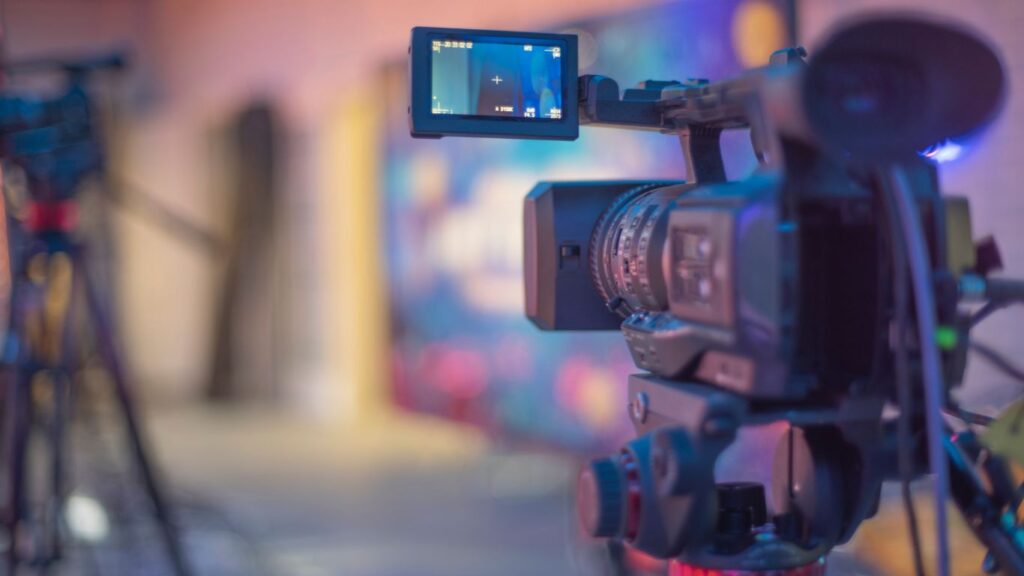
Sync dialogue, or synchronized dialogue, is the craft of recording spoken lines by actors in the realm of film and television production. The essence of sync dialogue lies in its precision—it demands that the spoken words align perfectly with the lip movements and timing of the actors appearing on the screen. Put simply, sync dialogue creates the illusion that the sound directly emanates from the characters, forging a seamless connection between auditory and visual elements.
The Significance of Sync Dialogue
Sync dialogue holds paramount importance for several compelling reasons. Firstly, it elevates the realism of on-screen characters by ensuring that their vocal expressions precisely match their physical actions, immersing the audience in the narrative. Secondly, it enhances clarity, guiding viewers through the plot intricacies and character motivations. Thirdly, proficiently executed sync dialogue empowers actors to convey emotions with finesse, deepening the viewer’s connection to the narrative. Lastly, it exemplifies professionalism in the world of film and television, highlighting the commitment to a polished and seamlessly orchestrated production.
Iconic Moments in Sync Dialogue
The history of sync dialogue in cinema boasts several iconic moments that have left an indelible mark:
– “The Jazz Singer” (1927): Regarded as a pioneering film, “The Jazz Singer” is often hailed as the first feature-length motion picture to incorporate synchronized dialogue sequences. Al Jolson’s immortal line, “You ain’t heard nothin’ yet,” has transcended time, becoming a legendary hallmark of early sound cinema.
– “Singin’ in the Rain” (1952): This musical comedy is celebrated for its iconic sync dialogue and dance sequences, most notably the rain-soaked performance by Gene Kelly. It serves as a testament to the seamless merging of sound and vision in storytelling.
– “My Fair Lady” (1964): Renowned for its meticulous sync dialogue work, particularly in the transformation of Eliza Doolittle’s accent, this film exemplifies the precision required to achieve synchronization that serves the narrative.
– “Star Wars” (1977): The “Star Wars” franchise revolutionized cinema with its innovative use of sync dialogue in crafting alien languages, contributing to the immersive quality of a galaxy far, far away.
In contemporary filmmaking, sync dialogue retains its paramount significance. Technological advancements have ushered in a new era of precision in synchronization. Automated Dialogue Replacement (ADR) is a technique employed to re-record dialogue during post-production, guaranteeing impeccable synchronization. This method proves invaluable when on-set recordings encounter challenges such as background noise.
Moreover, sync dialogue finds extensive application in animation, where voice actors infuse life into animated characters, with dialogue seamlessly aligning with lip movements.
The digital age has bestowed filmmakers with advanced tools for dialogue editing and synchronization, enabling the seamless fusion of audio and video. This heightened level of precision is indispensable in crafting immersive cinematic experiences.
In summation, sync dialogue stands as a cornerstone of filmmaking, enhancing realism, clarity, and emotional resonance. Its history boasts iconic moments that have sculpted the cinematic landscape. In the contemporary era, sync dialogue continues to be a linchpin of storytelling, facilitated by technological innovations that ensure synchronization of the highest order.
In the world of audio production and filmmaking, two terms often emerge: “Dialogue Recording” and “Sync Dialogue.” While they may appear similar, these terms represent distinct aspects of the audio-visual storytelling process, each with its unique focus and significance.
“The Comprehensive Process” provides an all-encompassing view of the journey involved in capturing spoken lines in audiovisual productions. Unlike the narrower focus of “Sync Dialogue,” “Dialogue Recording” spans the entire process, from initial on-set recording to the final integration of dialogue into the finished product. Its primary emphasis lies in detailing the various aspects of this comprehensive journey, covering equipment selection, microphone placement, on-set recording techniques, and the nuances of eliciting authentic performances from actors or voice-over artists. Additionally, it includes post-production tasks such as editing, mixing, and sound design, all of which collectively contribute to the overall quality of the dialogue.
“Sync Dialogue: Precision in Alignment” delves into a specialized aspect of dialogue recording. Unlike the broader term “Dialogue Recording,” “Sync Dialogue” narrows its focus to the meticulous synchronization of spoken lines with on-screen lip movements and actions. This precision ensures that the words spoken precisely match the characters’ visual cues, creating a seamless and convincing illusion for the audience. The emphasis here is on achieving perfect alignment between audio and visuals, a critical factor in maintaining the realism of filmmaking and preserving the viewer’s immersion in the narrative.
While “Dialogue Recording” and “Sync Dialogue” may have distinct focuses, they are interconnected and interdependent in the filmmaking process. Dialogue recording is the broader umbrella under which sync dialogue falls. It involves capturing dialogue in a manner that allows for effective synchronization during post-production.
Achieving seamless sync dialogue requires careful consideration of factors such as on-set recording conditions, the actors’ performances, and the availability of clean audio. Therefore, dialogue recording sets the stage for successful sync dialogue.
In summary, “Dialogue Recording” encompasses the comprehensive process of capturing spoken lines in audiovisual productions, while “Sync Dialogue” hones in on the precise synchronization of dialogue with on-screen actions. Both are integral to the art of filmmaking, with dialogue recording serving as the foundation for the seamless integration of sync dialogue, ultimately contributing to the immersive storytelling experience on the big screen.
Dialogue recording is the meticulous process of capturing spoken lines, conversations, or dialogues in audiovisual productions such as films, television shows, documentaries, and more. It encompasses everything from the initial recording on set to the final integration of dialogue into the finished product. Dialogue recording plays a pivotal role in enhancing the realism, clarity, and emotional impact of on-screen characters’ interactions.
High-quality dialogue recording is paramount because it directly influences the viewer’s experience. When dialogue is recorded with precision and clarity, it enhances the realism of on-screen characters, allowing the audience to fully immerse themselves in the story. It ensures that the plot and character motivations are understood with ease, and it enables actors to convey emotions authentically, deepening the audience’s emotional connection to the narrative.
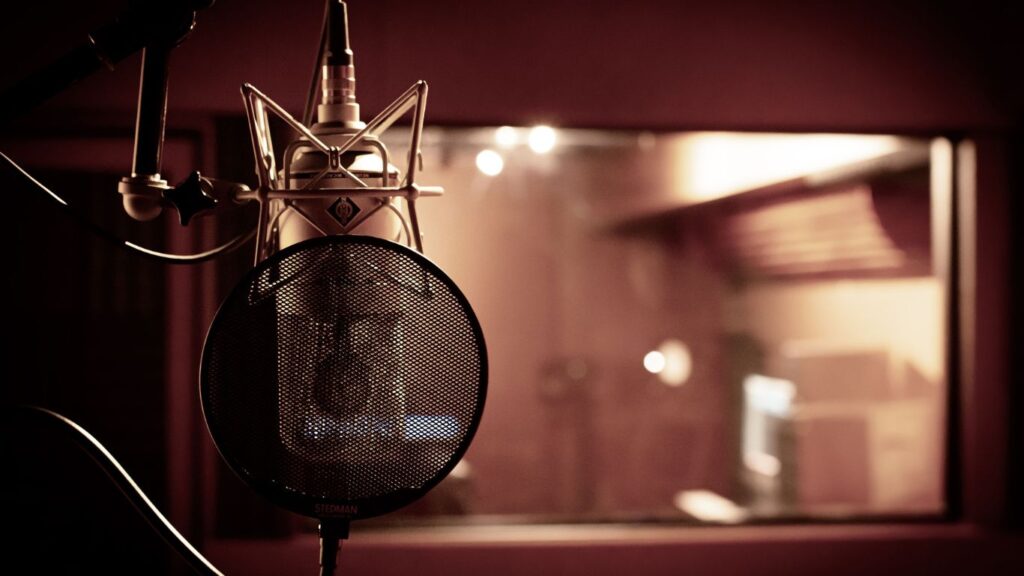
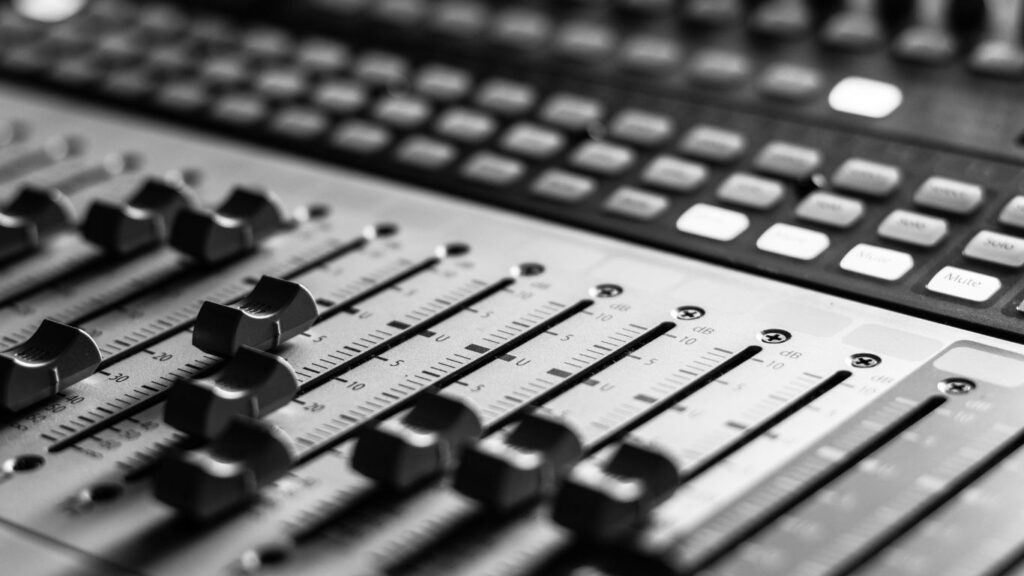
Milestone Studios is committed to delivering the highest dialogue recording quality through a combination of cutting-edge equipment and expertise. Our studio is equipped with state-of-the-art recording equipment, including industry-standard microphones and sound consoles. Our experienced sound engineers and technicians work collaboratively to capture pristine audio in studio, ensuring that every spoken word is crystal-clear and synchronized with on-screen actions.
Dialogue recording can encounter various challenges, including background noise, technical issues, and actor performance variations. At Milestone Studios, we employ a range of solutions to overcome these challenges. We record all dialogue purpose-built vocal booths, which are designed to provide the best quality sound. These booths have also been given special acoustic treatment as soundproofing, which helps to absorb reverberation and prevent external sound like traffic noise from appearing on the recording. In the unlikely even that there is still some unwanted background noise (like sounds from an actor’s clothing), advanced noise reduction techniques are used to eliminate it, ensuring the cleanest audio possible. Technical issues are promptly addressed by our experienced technicians, and we work closely with actors to achieve consistent performances and synchronization.
Yes, Milestone Studios is equipped for remote dialogue recording. We have the capability to connect with studios worldwide via Source Connect for voice work and ADR. This allows for seamless collaboration with actors and production teams from remote locations, ensuring that dialogue recording remains efficient and high-quality, even when distance is a factor.
Dialogue recording serves as the foundation of audiovisual storytelling, but it is seamlessly complemented by music recording, post-production, final mix, and sound design. At Milestone Studios, we recognize the synergy between these elements and leverage them to create immersive experiences for our clients and their audiences.
Music Recording: Our studio boasts a legacy of music recording excellence. From capturing live performances to creating original compositions, our recording capabilities add depth and emotion to every project. Our in-house composers, recognized for their award-winning work, infuse each production with musicality that elevates the storytelling.
Post-Production: Dialogue recording is just the beginning. In post-production, our team of experts meticulously refines the audio, ensuring that every spoken word is crisp and clear. We fine-tune audio levels, remove imperfections, and enhance overall sound quality, setting the stage for a seamless auditory experience.
Final Mix: The final mix is where the magic happens. Our sound engineers harmonize dialogue, music, and sound effects to create a balanced and immersive audio landscape. It’s the art of perfecting the auditory tapestry that complements the visual storytelling, capturing the essence of every scene.
Sound Design: Sound design is the creative soul of audio production. Our team uses sound effects, Foley artistry, and creative techniques to enhance the ambiance and emotional impact of each moment. Whether it’s a whisper in the wind or a thunderous explosion, sound design adds depth to the narrative.
Our studio is equipped with high-quality recording equipment, including a Raindirk Symphony console, a Yamaha grand piano, Fender Rhodes, and an array of amplifiers. Our history of collaboration with well-known artists and filmmakers attests to our commitment to excellence in audio production.
Sync dialogue is the art of achieving perfect alignment between spoken words and on-screen actions. At Milestone Studios, we excel in this craft, ensuring that every word matches the lip movements of the characters. It’s a meticulous process that requires technical expertise and precision.
Our sound engineers work closely with actors to capture dialogue with utmost clarity. We utilize advanced equipment to eliminate background noise and ensure that the spoken lines are pristine. Through Automated Dialogue Replacement (ADR), we address any imperfections in on-set recordings, guaranteeing seamless synchronization.
Nestled in the heart of Cape Town, Milestone Studios is more than just a recording facility; it’s a creative hub that pulses with artistic energy. Our location in Cape Town City Centre places us at the epicenter of the city’s vibrant creative landscape. Whether you’re a musician, filmmaker, or agency, our studio serves as a haven for your creative endeavors.
In the world of audiovisual storytelling, dialogue recording is the cornerstone upon which captivating narratives are built. At Milestone Studios, we understand the intricacies of this art form and go beyond to enhance it with music recording, post-production, final mix, and sound design. Our commitment to excellence, supported by high-quality equipment and seasoned expertise, ensures that every project receives the attention it deserves. We are more than a studio; we are a partner in bringing your stories to life.
Address: 21 Bloem St, Cape Town City Centre, Cape Town, 8000
Phone Number: 021 424 6000
Website: https://milestones.co.za/
Milestone Studios, located in the heart of Cape Town, is a premier recording studio complex dedicated to elevating audiovisual storytelling. With a legacy of excellence in dialogue recording, music recording, and sound design, we are your trusted partner in creating captivating narratives. Contact us today to embark on a journey of sonic excellence.