
Audiobooks have become increasingly popular in recent years, offering listeners a convenient and immersive way to enjoy their favorite stories. However, creating a high-quality audiobook is no easy feat. It requires a meticulous process that involves recording, editing, and post-production. Working with experienced professional audio engineers and studios is crucial to ensure that the final product meets industry standards and delivers a captivating listening experience for the audience.
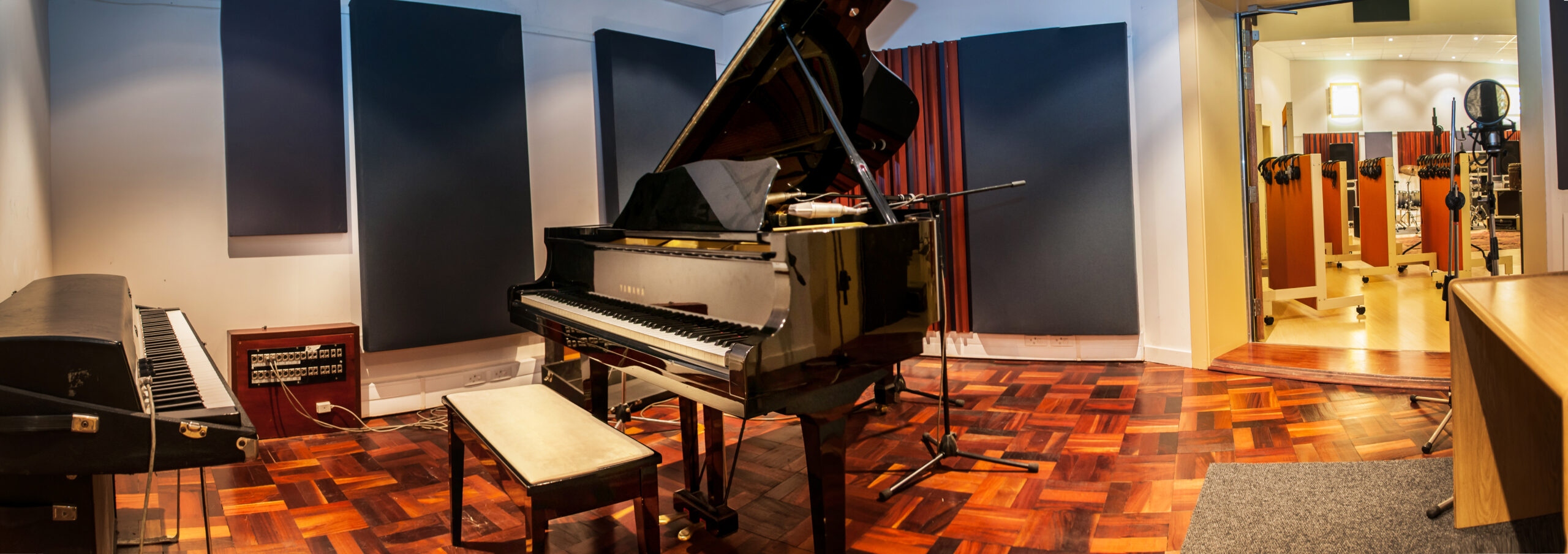
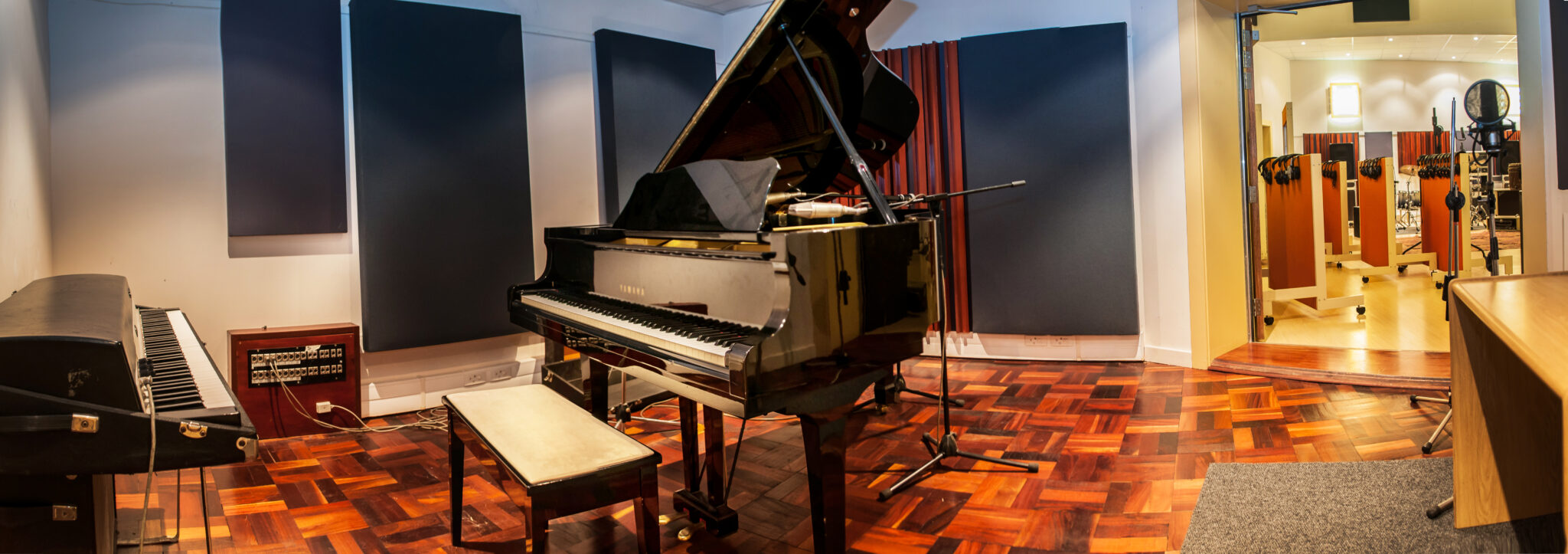
Professional recording studios are specifically designed and equipped to capture high-quality audio. These studios feature soundproofing, acoustic treatment, and state-of-the-art equipment that minimize background noise and room echo, ensuring a clean and clear recording.
Experienced audio engineers who work in these studios understand the importance of proper microphone placement, gain staging, and monitoring to capture the narrator’s voice with optimal clarity and fidelity. They also have access to a wide range of specialized tools and software that allows them to fine-tune the audio, from noise reduction to dynamic processing and equalization.
The use of a professional recording studio is particularly crucial for audiobook production, as the recording environment can have a significant impact on the final sound quality. Ambient noise, echoes, and other acoustic issues can detract from the listener’s immersion and distract from the storytelling. One never wants to have to redo a recording because of a technical problem, and this is truer than ever when the recording in question takes several days to complete! By working in a dedicated studio, narrators and audio engineers can ensure that the audio is free from these distractions, creating a more polished and engaging listening experience.
Audio engineers play a vital role in the audiobook production process. Their expertise goes beyond simply pressing the record button and letting the narrator read. They actively collaborate with the narrator to ensure that the performance is delivered with the right energy, emotion, and pacing. They also ensure the narrator’s comfort throughout the lengthy reading process.
During the recording sessions, audio engineers monitor the audio in real-time, providing feedback and guidance to the narrator. They may suggest adjustments to the narrator’s volume, tone, or delivery to achieve the desired effect. Depending on the budget, there may also be a director for the audiobook, who will do more of this kind of instruction. This collaborative approach helps to create a more sophisticated and engaging final product.
After the recording is complete, the audio engineers take on the critical task of editing and post-production. They meticulously clean up the audio, removing any unwanted sounds, such as mouth clicks, plosives, or background noise. They also ensure that the pacing is appropriate and that any misreads or mispronunciations are corrected. The editing process typically involves multiple rounds of review and refinement. First, the audio engineer goes through the entire book, making necessary adjustments. The project then undergoes quality control, where another professional checks for any remaining issues. If any problems are found, the engineer goes back and makes additional fixes, or the narrator is called in for pickups or re-recordings.
Working with experienced professional audio engineers and studios offers several advantages for audiobook production. The high-quality equipment and specialized expertise of these professionals ensure that the final audio product meets the strict requirements of major distribution platforms, such as Audible or Libro.fm.
Professional audio engineers also have a deep understanding of the technical aspects of audiobook production, from file formatting to noise reduction and equalization. This knowledge allows them to create a seamless, polished listening experience that is free from distracting artifacts or inconsistencies.
Furthermore, working with professionals can save time and reduce stress for authors or self-publishers. Recording and editing an audiobook can be a time-consuming and complex process, requiring specialized skills and equipment. By outsourcing these tasks to experienced professionals, authors can focus on their core strengths and ensure that their audiobook is produced to the highest possible standard.
In addition to the technical benefits, working with professional audio engineers and studios can also enhance the artistic quality of the audiobook. These professionals have a keen understanding of the nuances of vocal performance and can provide valuable feedback and guidance to the narrator. This collaboration can help to bring the characters and story to life in a more engaging and authentic way.
As the audiobook market continues to grow, the demand for high-quality productions will only increase. Listeners have come to expect a polished and immersive listening experience, and they are often willing to pay a premium for audiobooks that meet these standards.
By working with professional audio engineers and studios, authors can ensure that their audiobooks stand out in a crowded market. The attention to detail and technical expertise of these professionals can make the difference between a mediocre audiobook and one that captivates the listener from start to finish.
Moreover, the quality of the audiobook can have a significant impact on the author’s reputation and the success of their work. A well-produced audiobook can introduce the author’s writing to a new audience, while a poorly executed one can detract from the overall reading experience and potentially discourage listeners from engaging with the author’s other works.
Creating a successful audiobook requires a combination of artistic talent and technical expertise. From the recording process to the final post-production, every step of the way is crucial in delivering a captivating listening experience. By working with experienced professional audio engineers and studios, authors can ensure that their stories reach listeners in the most engaging and immersive way possible.
As the audiobook market continues to grow, the demand for high-quality productions will only increase. By partnering with skilled audio professionals, authors and publishers can position their audiobooks for success and reach a wider audience than ever before.